
Information & Guides
17 articles
Can CBD Make You Fail a Workplace Drug Test?
Workplace urine tests look for a breakdown product of THC, not CBD. Full-spectrum products and mislabelled imports are where the risk sits, and repeated daily use matters more than any single dose.
CBD and THC Share a Chemical Formula. Why Do They Behave So Differently?
CBD and THC have identical chemical formulas and differ by a single closed ring. That small structural difference changes how each molecule meets receptors, and explains why only one of them is intoxicating.

Does CBD Get You High? CBD vs THC Effects Explained
CBD does not get you high — that is THC's job. This guide explains why cannabidiol is non-intoxicating, how it differs from THC, and whether CBD can show up on a drug test, in plain Canadian terms.
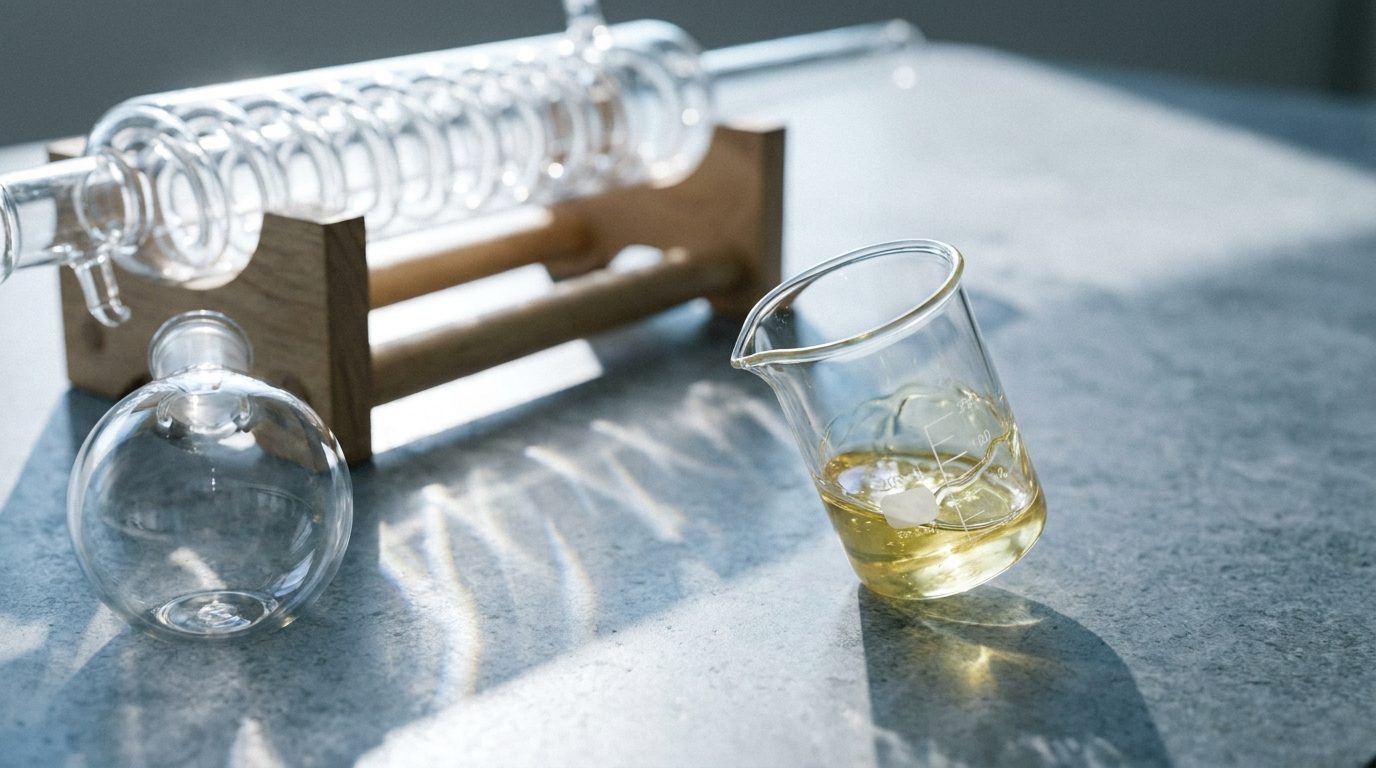
How Is CBD Extracted from Hemp? CO2, Ethanol and What Comes Next
CBD does not exist in raw hemp in the form that reaches your bottle. Here is the path from acidic cannabinoids in the plant through extraction, winterization and distillation, and why solvent testing matters.
What Does the mg Number on a CBD Oil Bottle Actually Mean?
The milligram figure on a CBD bottle is a container total, not a serving size. Converting it to milligrams per millilitre, and to cost per milligram, makes any two products directly comparable in seconds.
How to Buy CBD Safely in Canada: A Practical Checklist
CBD is regulated as cannabis in Canada, not as a supplement — which changes where you can legally buy it and what a compliant package looks like. Here is a practical checklist for buying safely.

CBD and Driving in Canada: What the Law Tests For
Roadside tests look for THC, not CBD. Blood limits, how full-spectrum products intersect with them, the zero-tolerance rules for novice and commercial drivers, and sensible practice.
CBD Drug Interactions: A Detailed Look
CBD affects liver enzymes (CYP3A4 and CYP2C19) that metabolize many medications. Key medication categories to discuss with a pharmacist, severity scale, and what to do if you take prescriptions.
CBD and Sleep: What the Evidence Suggests
Sleep is the most cited reason people use CBD. What research suggests, why Canadian regulations restrict sleep claims, common user approaches, and when to see a doctor instead.